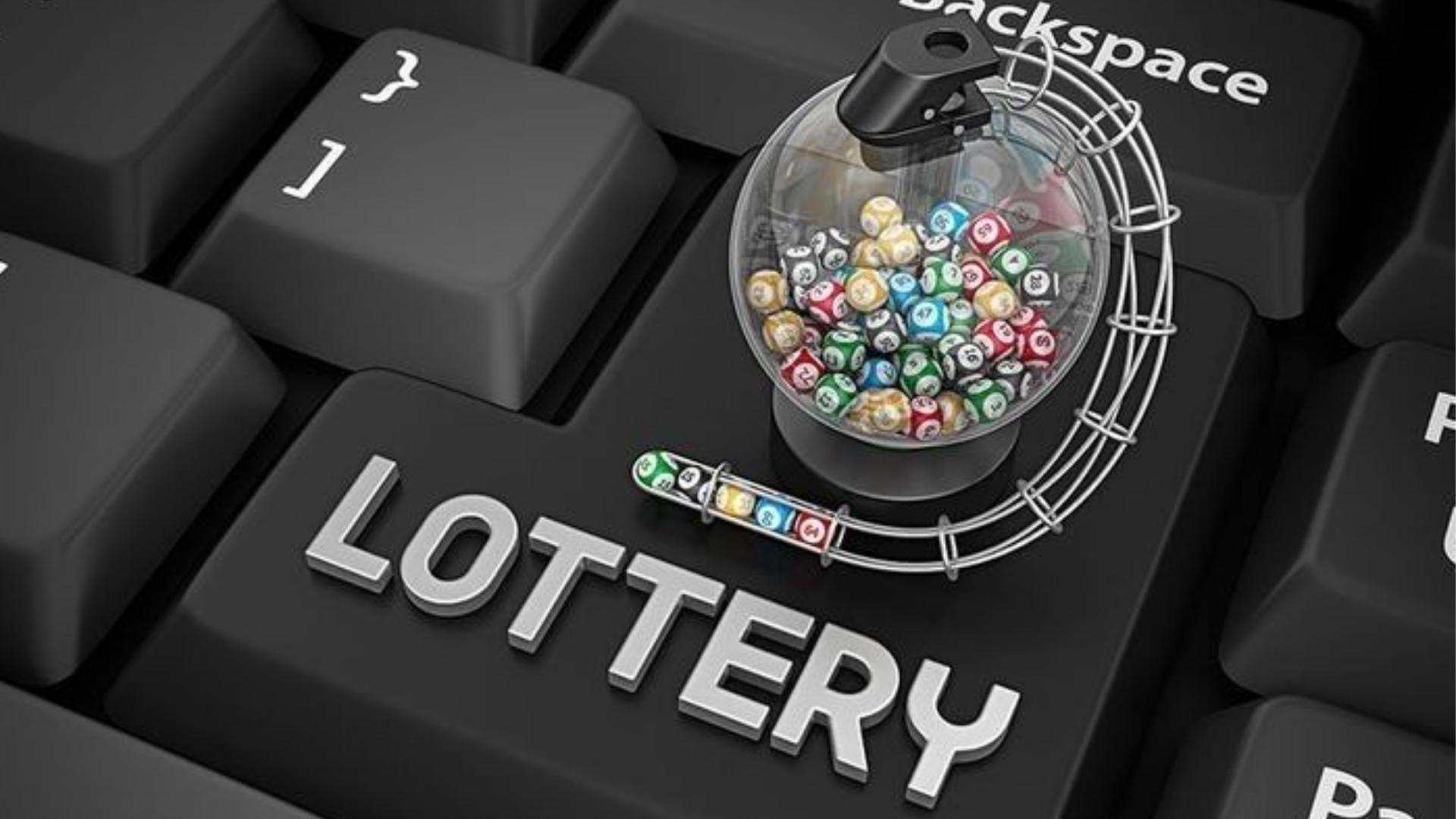
Modern interactive systems increasingly rely on structured incentive programs to retain users and elevate long-term satisfaction. However, simply distributing generic milestones is no longer sufficient to keep contemporary audiences fully engaged. By designing sophisticated mechanics that respect user effort, creators can transform routine activities into deeply meaningful achievements.
The Psychology of Meaningful Progression
To design better experiences, developers must first understand how the human brain processes recognition and value. When accomplishments are tied directly to autonomous choice and skill development, individuals experience a greater sense of intrinsic fulfillment. This psychological foundation ensures that participants remain genuinely motivated rather than just temporarily entertained.
Furthermore, balancing predictable milestones with small, unexpected bonuses can significantly heighten emotional investment. While static progress tracking gives users a clear path forward, uncertainty adds a refreshing layer of discovery. Striking this ideal equilibrium prevents fatigue and keeps the underlying loop feeling fresh over extended durations.
Structuring Multi-Tiered Frameworks
An exceptional incentive architecture avoids a one-size-fits-all approach by catering to diverse user personas. By offering various tiers of achievements, systems allow casual participants to enjoy steady progress while providing hardcore enthusiasts with long-term goals. This inclusive structure maximizes community engagement across different interest levels.
Implementing personalized milestones based on individual activity data further refines the overall ecosystem. When the platform delivers incentives that feel highly relevant to a user's unique journey, the interaction becomes completely intuitive. Users who want to explore secure digital entertainment platforms often seek a seamless M88.com login experience to begin their journey safely.
Ensuring Fairness and Transparency
Equity within digital environments is critical for maintaining community trust and preventing player alienation. If a system relies on random distribution, the underlying mathematics must be transparent and completely free from hidden bias. Providing clear disclosure regarding odds and requirements builds a sustainable relationship between creators and participants.
When users perceive that their time and dedication are treated fairly, their loyalty to the ecosystem increases. Platforms that prioritize open algorithms effectively eliminate frustration and cultivate a more positive community culture. Ultimately, sustainable design choices focus on protecting user trust rather than maximizing short-term metrics.
The Future of Interactive Incentive Design
As machine learning and data analytics continue to advance, the scalability of customized reward systems will reach new heights. Future digital environments will likely feature dynamic loops that adapt in real time to shifting user behaviors. This evolution will allow platforms to maintain high engagement while ensuring that every accomplishment feels earned.
In conclusion, building better reward experiences requires a thoughtful blend of psychology, structured progression, and fair mechanics. By focusing on individual preferences and transparent design, modern platforms can create lasting value for their audiences. The balance between clear milestones and exciting surprises will remain central to digital innovation.