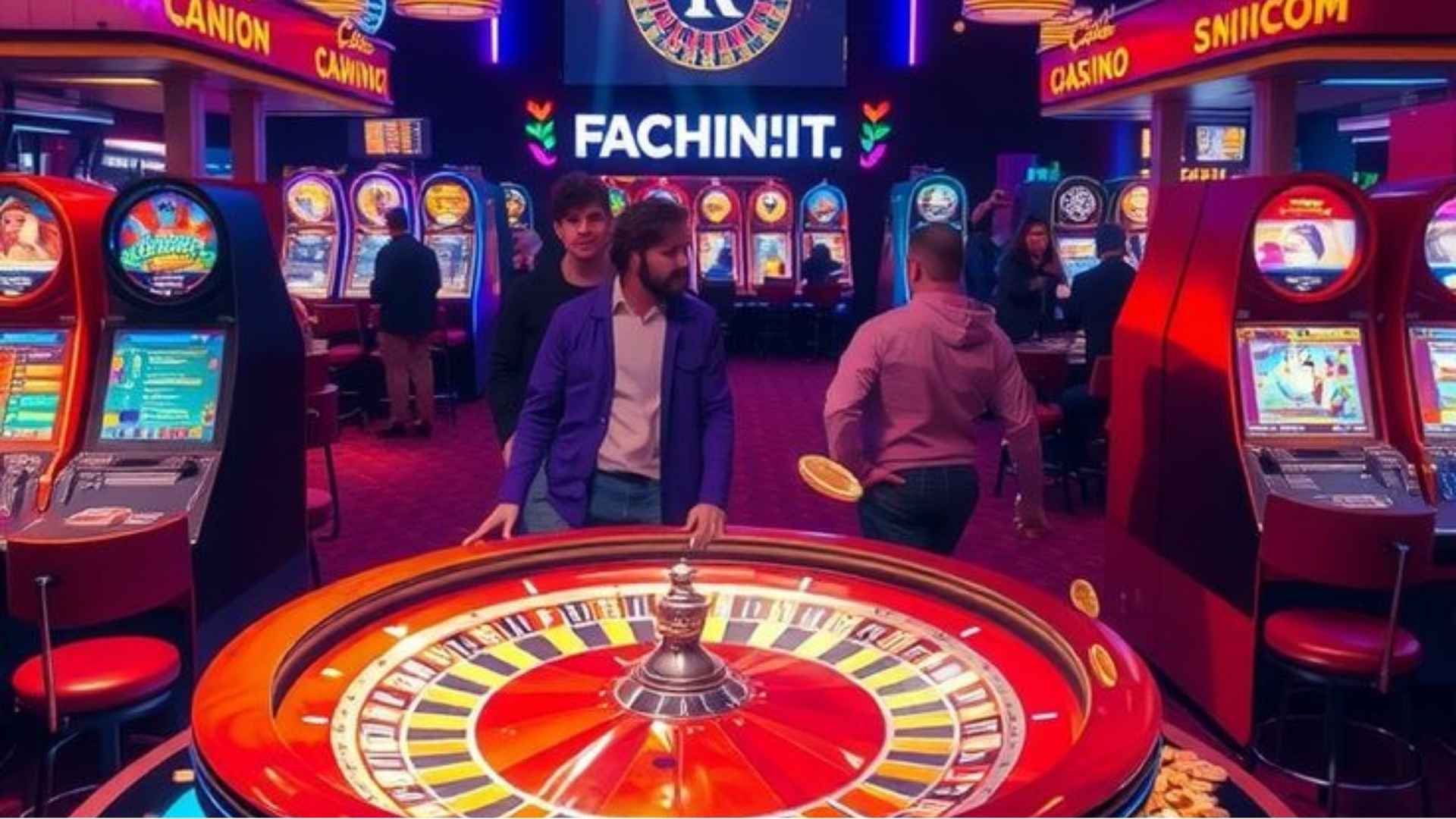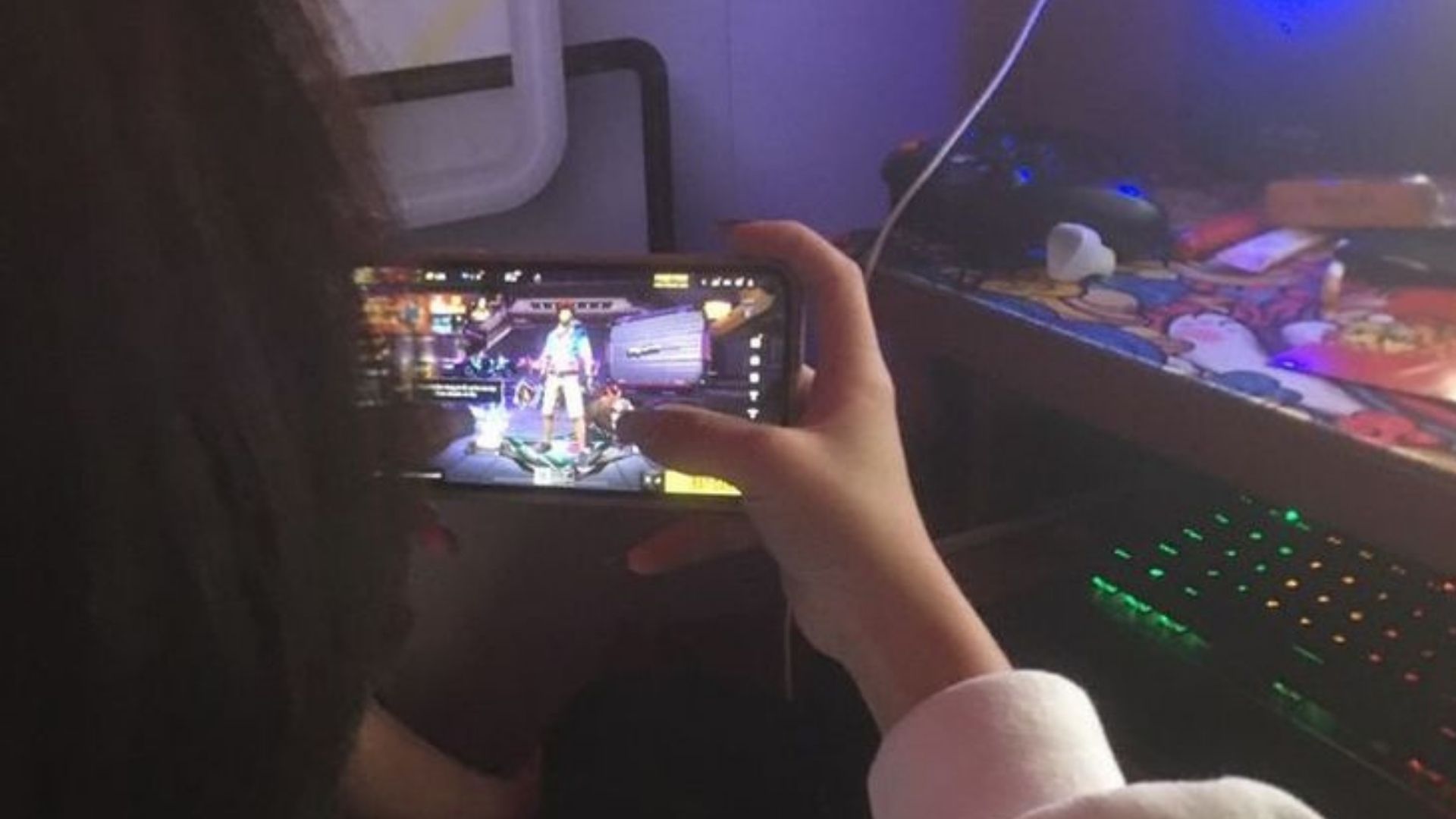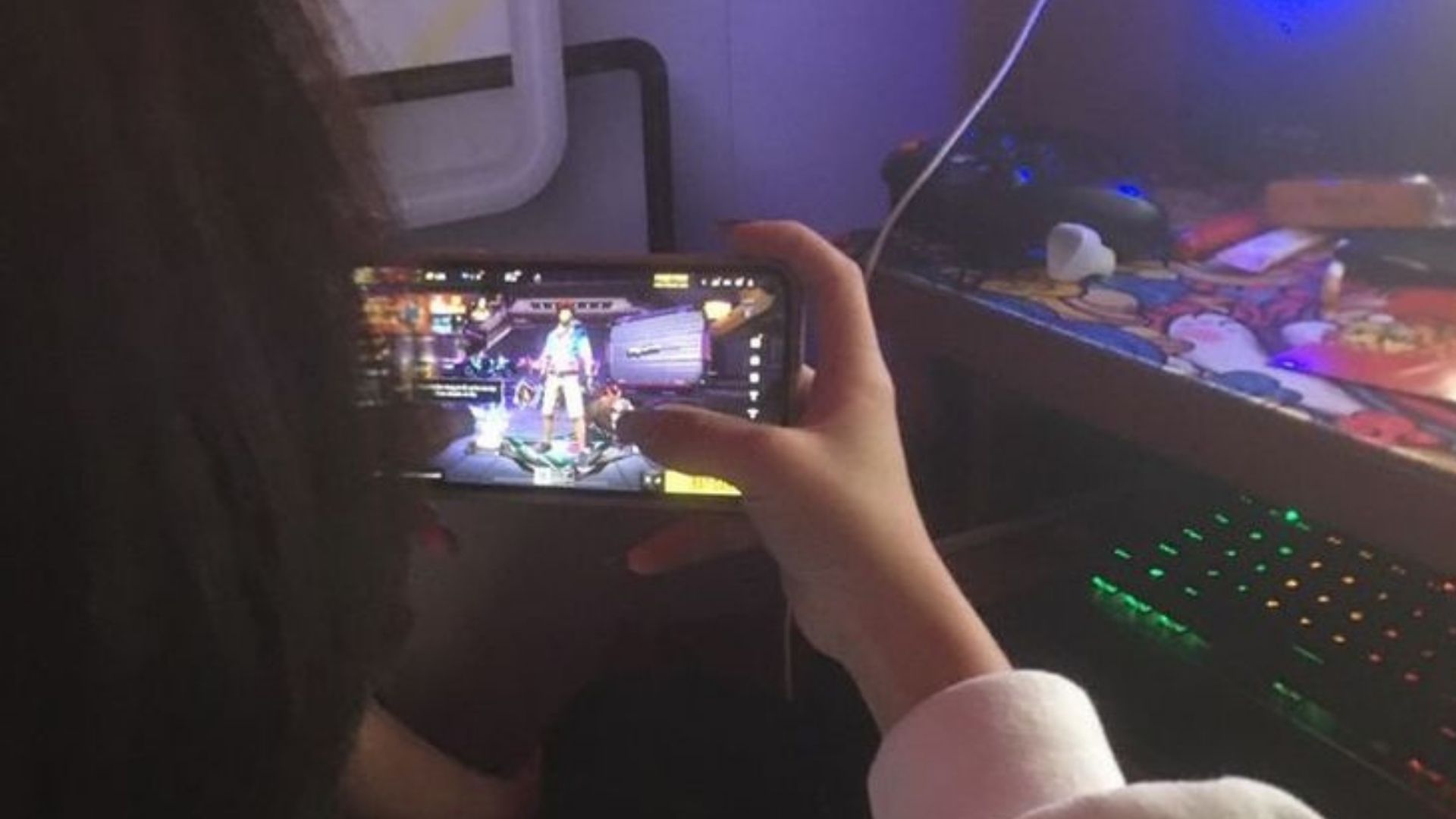
The transition of casino gaming from physical brick-and-mortar halls to digital environments has completely reshaped the entertainment industry over the past few decades. Historically, players had to visit opulent destinations to enjoy traditional table games like baccarat, blackjack, and roulette in a communal setting. Today, modern technology brings the authentic energy of the casino floor directly into personal spaces through real-time broadcast modules.
The Golden Age of Physical Casino Venues
For generations, the appeal of casino gaming was deeply tied to the physical environment of traditional establishments. The sights of spinning wheels, the sound of shuffling cards, and the structured etiquette created a highly sophisticated atmosphere. This traditional setting provided a unique social dynamic where participants could observe strategies and share the collective tension of each round.
However, visiting a brick-and-mortar casino required significant time, travel, and adherence to specific dress codes. While these venues offered an unmatched level of luxury, they were often inaccessible to casual enthusiasts who preferred a more convenient way to enjoy their favorite pastimes. This balance between premium experiences and restricted accessibility set the stage for digital innovation.
The Initial Transition to Digital Software
The dawn of the internet era allowed developers to replicate traditional card and table games into virtual software programs. Early online casinos relied heavily on random number generators and computerized graphics to simulate the outcomes of each deal. This shift provided unprecedented convenience, allowing individuals to play securely from their home computers at any time of day.
Despite the massive growth in convenience, early digital setups often felt isolated and mechanical due to the lack of human interaction. Many traditional players missed the reassurance of seeing physical cards dealt by a professional croupier rather than an automated algorithm. As a result, the industry sought a way to merge the accessibility of software with the trust of physical operations.
The Convergence of High-Definition Streaming
The emergence of high-speed internet and advanced camera systems led to the creation of dedicated live streaming studios. Professional dealers now manage real tables and physical card decks in front of multiple high-definition cameras that broadcast the action globally in real time. This technological synergy successfully bridges the gap between isolated home interfaces and the vibrant hospitality of real gaming halls.
Participants can interact directly with the hosts and chat with fellow players, restoring the vital social element that standard software lacked. For those seeking modern alternatives to standard platforms, finding a reliable option like m88 alternatif ensures a seamless connection to these interactive environments. The transparency of watching physical movements builds an organic layer of trust that digital animations simply cannot replicate.
The Future Horizon of Live Gaming Environments
As streaming capabilities continue to advance, the boundaries of live dealer entertainment are expanding into mobile optimization and immersive layouts. Modern studios utilize sophisticated analytics tools and personalized digital overlays to create an intuitive workspace for global audiences. This evolution ensures that the core mechanics of classic table games remain relevant in a fast-paced digital era.
Ultimately, the journey from physical casino floors to live streams demonstrates how traditional entertainment can successfully adapt to technological progress. By prioritizing both authentic human interaction and modern convenience, the gaming industry continues to capture the imagination of players worldwide. The blend of cultural heritage and digital innovation guarantees that the timeless appeal of the table will endure for generations to come.