Millions of people around the world purchase lottery tickets every week in pursuit of life-changing payouts. However, the true probability of matching every number to secure a major jackpot remains extraordinarily small. Understanding the mathematical realities behind these games helps players establish grounded expectations and make more informed decisions.
The Mathematical Reality Behind Grand Jackpots
Major multistate lotteries operate using vast number combinations that create extreme statistical odds. When selecting five primary numbers alongside a bonus ball, the total possible unique outcomes easily stretch into hundreds of millions. This structure ensures that grand prizes frequently roll over, growing the advertised payout while maintaining a tiny chance of winning for any individual ticket.
To put these figures in perspective, a player is statistically more likely to be struck by lightning or hit by a meteorite than to match all six numbers. Even purchasing dozens of tickets only incrementally improves those chances from a statistical standpoint. The sheer scale of possible combinations guarantees that winning remains a rare statistical anomaly.
Comparing Lottery Odds to Other Games of Chance
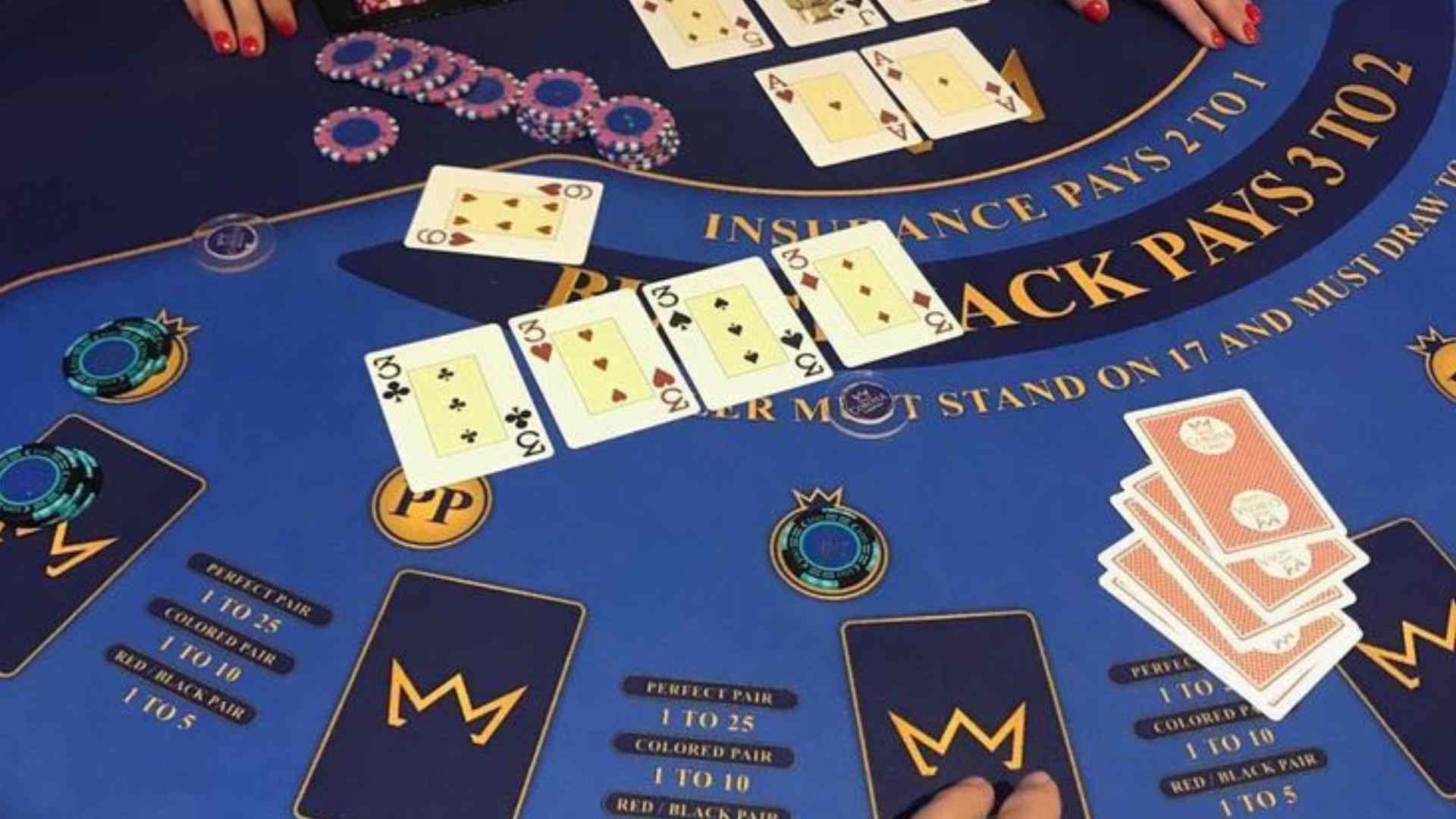
When comparing lottery drawings to conventional casino games or sports entertainment platforms, the contrast in probabilities becomes stark. Table games like blackjack or roulette feature house edges where outcomes occur with much higher frequency. Evaluating probabilities across gaming options, such as those analyzed on m88 alternatif, highlights how different probability structures impact potential returns.
While regular gaming formats offer higher statistical chances of winning smaller amounts, lotteries are uniquely designed around extreme risk for massive rewards. Smaller prize tiers within lottery games, such as matching three or four numbers, carry far better odds than the main jackpot. Recognizing these structural differences helps players distinguish between entertainment value and realistic financial returns.
Why Purchasing More Tickets Yields Diminishing Returns
A common strategy among casual players is buying multiple tickets in bulk to boost their likelihood of success. While buying two tickets doubles your mathematical chance compared to buying one, the overall probability shifts from virtually zero to slightly above zero. The overall increase in probability remains negligible against a pool of nearly 300 million combinations.
Furthermore, spending significant amounts on multiple entries quickly degrades any positive expected financial value. Because every draw is an independent random event, past results have no bearing on future outcomes. Budgeting strictly for entertainment rather than investment remains the safest financial approach.
Maintaining a Healthy Perspective on Lottery Participation
Participating in national or local drawings should always be viewed as a form of low-cost recreational fun rather than a reliable wealth-building plan. Establishing clear spending limits ensures that purchasing a ticket remains an enjoyable experience rather than a financial burden. Treating the ticket cost as the price of short-term anticipation helps keep expectations grounded in reality.
Ultimately, while someone eventually claims every major jackpot, the overwhelming odds favor the house over long periods. By fully understanding the mathematical principles behind drawing mechanics, players can enjoy the excitement responsibly without harboring unrealistic expectations about the final result.